Table of Contents
Key Takeaways
- A reliable car care plan combines safety checks, cleaning, surface protection, and cabin comfort.
- Window film, paint protection film, ceramic coatings, and detailing each serve different purposes.
- Monthly checks can identify tire, lighting, battery, visibility, and air-conditioning concerns before they disrupt a trip.
- The most useful protection depends on how and where the vehicle is driven, parked, and used.
- Small weekly habits can help preserve a vehicle between deeper professional services.
North Raleigh drivers deal with long sunny stretches, spring pollen, humid summers, sudden rain, tree debris, and daily travel on busy routes such as Capital Boulevard and I-540. A practical care plan helps keep a vehicle comfortable, clean, and ready for those changing conditions. For owners considering additional exterior protection, ceramic coating for cars in North Raleigh, NC, can be part of a broader routine that includes regular washing, inspections, and safe driving habits.
The best approach is not a single product or one annual detail. It is a realistic system that puts safety first, addresses the surfaces most exposed to wear, and fits the vehicle’s mileage, parking situation, and budget. Whether a car sits outside near Falls Lake or spends most weekdays in a Raleigh office parking lot, consistent attention can reduce preventable wear.
Why North Raleigh Vehicles Need Year-Round Attention
Local conditions can be hard on a vehicle’s appearance and daily comfort. Strong sunlight can heat the cabin and contribute to fading over time. Pollen can settle into crevices, rain can leave mineral spots, and summer insects can cling to front-end paint. Loose gravel, construction debris, and highway miles can also affect bumpers, hoods, mirrors, and lower body panels.
Cosmetic upkeep matters, but it should never replace basic vehicle care. A clean windshield, healthy tires, working lights, and dependable air conditioning are more important than a glossy finish. Think of protective upgrades as support for an already sound maintenance routine, not as a substitute for it.
Start With a Basic Vehicle Health Check
Before searching for “automotive ceramic coating near me,” take time to review the basics that affect safety and reliability. A seasonal check is especially useful before summer road trips, hurricane season travel, or a long holiday drive through North Carolina.
- Tires: Check pressure when tires are cold, inspect tread, and watch for cracking, bulges, or uneven wear. The guidance on regularly checking tire pressure and tread is particularly useful for commuters who encounter potholes, curbs, and wet roads.
- Battery: Have an aging battery tested, especially if starts seem slow or accessories behave inconsistently.
- Wipers and washer fluid: Replace streaking blades and keep fluid topped off for pollen, rain, and bug residue.
- Lights: Confirm that headlights, brake lights, turn signals, and reverse lights all work.
- Air conditioning: Test cooling performance before the hottest weeks of a North Raleigh summer.
- Belts, hoses, and fluids: Look for visible leaks and follow the manufacturer’s maintenance schedule.
- Floor mats: Make sure the mats fit securely and do not interfere with the pedals.
Match Protection to the Vehicle’s Biggest Risks
Protection choices work best when they reflect real-world use. An outdoor-parked vehicle may need more help managing UV exposure, water spots, and frequent washing. A highway commuter may want to focus on vulnerable front-end areas. A family SUV may benefit most from easy-clean interior materials, glare reduction, and a more comfortable cabin.
- Outdoor parking: Prioritize routine washing, interior cleaning, UV-conscious cabin care, and paint protection for exposed surfaces.
- Highway driving: Consider protection for the bumper, hood, front fenders, mirror caps, and rocker panels.
- Family travel: Focus on stain removal, odor prevention, organized cargo areas, and clear glass.
- Long-term ownership: Combine periodic detailing with durable protection and timely mechanical maintenance.
- Weekend vehicles: Pay close attention to battery condition, tire age, storage cleanliness, and safe wash methods.
Window Film: Comfort, Glare, and UV Considerations
Window film can help manage glare, solar heat, privacy, and interior fading, but it is important to understand the product before installation. Factory privacy glass and aftermarket film are not always the same. Ask about visible light transmission, heat rejection, electronic signal compatibility, cleaning requirements, and warranty coverage. Drivers should also verify North Carolina window-tint requirements before choosing a shade.
Film may make the cabin more comfortable during bright North Raleigh afternoons, but it does not eliminate the need for personal sun precautions. The same everyday habits for year-round sun protection, including covering up when appropriate and using sunscreen, still matter when spending time outdoors or when driving, with sunlight entering through side windows.
Paint Protection Film, Ceramic Coatings, and Wax
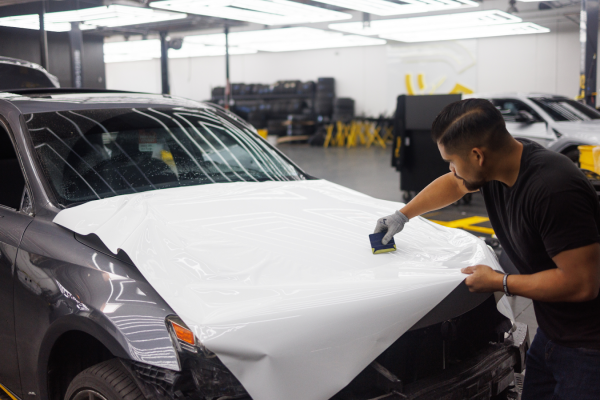
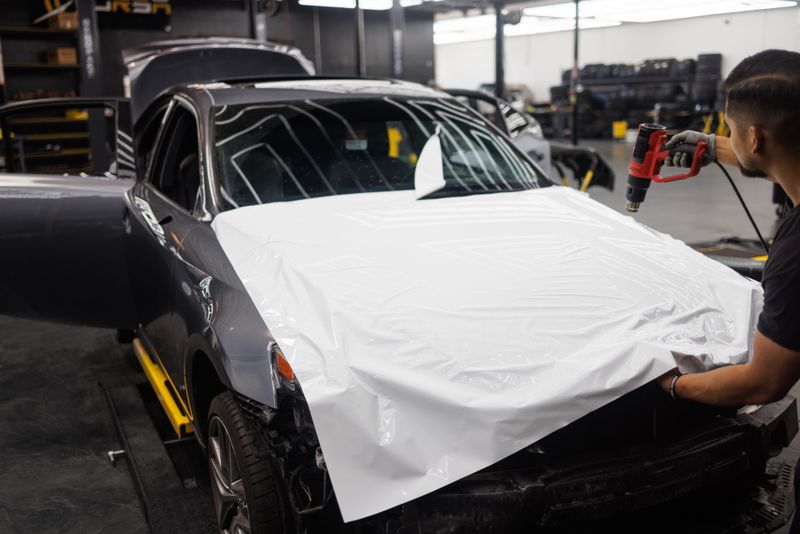
These services are often discussed together, yet they solve different problems. Paint protection film is a physical layer intended to help reduce damage from rock chips, minor abrasions, and road debris. It is often used strategically on high-impact areas rather than across every painted panel.
A ceramic coating is a bonded surface treatment that can enhance gloss, improve water behavior, and make routine cleaning easier. It does not stop every scratch, deep scuff, or rock chip. Wax and paint sealants are generally simpler, lower-cost options, but they need more frequent reapplication. The right choice depends on the vehicle’s condition, expected ownership period, and driving environment.
Detailing Is More Than a Fresh Shine
Regular detailing removes abrasive grit before it is repeatedly dragged across paint during washing or wiping. It also helps keep pollen, leaf residue, bug splatter, food crumbs, and spills from becoming harder to remove. Inside the cabin, prompt spill cleanup protects cloth, leather, carpeting, and textured plastic surfaces from stains and lingering odors.
Use clean microfiber towels, separate wheel tools from paint tools, and choose products designed for automotive surfaces. Paint correction can improve visible swirls and defects, but it is a repair process, not a replacement for careful washing.
A Simple Monthly Maintenance Schedule
Every Week
- Remove trash, food, and moisture from the cabin.
- Clean the windshield, cameras, and mirrors for clear visibility.
- Check for new chips, stains, scratches, or loose trim.
Every Month
- Check cold tire pressure and inspect the tread.
- Wash the vehicle, including wheel wells, door jambs, and lower panels.
- Vacuum seats, mats, carpeting, and the cargo area.
- Inspect wipers, lights, window film, and any paint-protection surfaces.
Every Season
- Test the battery and charging system.
- Review fluid levels, belts, hoses, and air-conditioning performance.
- Watch for alignment symptoms such as pulling, vibration, or uneven tire wear.
- Schedule a deeper interior and exterior cleaning service if needed.
Build a Plan That Fits Real Life
Start with urgent safety needs, then prioritize the areas that are most abused. A high-mileage North Raleigh commuter may benefit most from tire care, clear glass, functioning air conditioning, and easy interior cleanup. A newer vehicle used for frequent highway trips may justify targeted paint protection and heat-management upgrades. With a short weekly check, a consistent monthly cleaning habit, and timely professional maintenance, drivers can protect comfort, appearance, and confidence in every season.