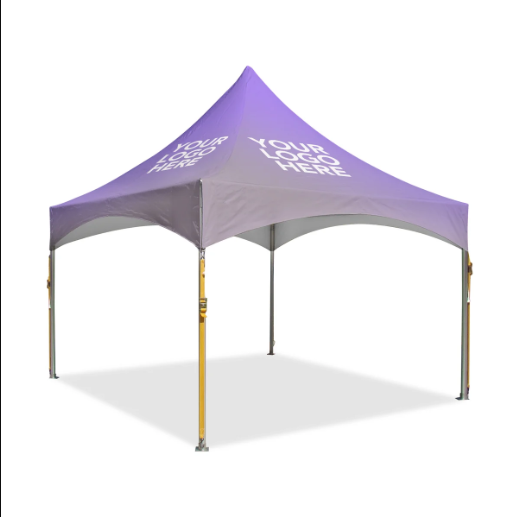
A successful outdoor event space needs to do more than keep people out of the sun. It should feel welcoming, organized, comfortable, and unmistakably connected to the brand behind it. That is where a custom pavilion tent can become much more than a temporary structure.
For businesses, resorts, event organizers, hospitality brands, sports teams, and promotional companies, a pavilion-style tent offers the opportunity to create a larger, more polished outdoor environment. Instead of feeling like a basic booth, it can function as a lounge, reception area, product showcase, dining space, hospitality zone, or temporary showroom.
The real value comes from combining comfort with branding. A well-designed pavilion can make guests want to stay longer while helping the business present itself in a more professional way. And when customers are comfortable, they are usually more willing to browse, talk, ask questions, and actually remember where they spent their time.
Table of Contents
Think Beyond Shelter and Design an Experience
A basic shelter solves one problem: exposure to the elements. A custom pavilion tent can solve several at once.
It can define a large outdoor area, provide useful coverage, organize customer movement, create space for furniture or displays, and reinforce brand identity at the same time.
That makes pavilion tents especially useful when the event experience matters as much as the product being promoted.
A company hosting important guests may need a comfortable reception area. A hotel may want an elegant outdoor lounge. A sports sponsor might need a hospitality zone where customers can sit, recharge, and interact with the brand.
The tent becomes part of the experience rather than simply something placed above it.
Start With the Purpose of the Space
Before choosing graphics, furniture, or accessories, decide exactly what the pavilion needs to accomplish.
Will guests be sitting for long periods? Will products be displayed? Will staff be serving food or drinks? Is the space meant for private conversations or high customer turnover?
The answers should shape the entire setup.
A custom pavilion designed for hospitality may need open seating, tables, and wide entrances. A pavilion used as a temporary showroom may need defined product areas and strong visual displays. A corporate event space may require a more formal layout with presentation areas and branded walls.
Starting with function helps prevent a common mistake: designing a beautiful space that becomes awkward the moment real people enter it.
A Resort Creates a Branded Outdoor Lounge
Imagine an upscale resort that regularly hosts weddings, corporate retreats, and private celebrations.
The property has beautiful outdoor grounds, but certain areas feel disconnected from the hotel’s overall brand. Portable furniture and temporary shade structures get the job done, but the result does not match the polished experience guests receive elsewhere.
The resort introduces a custom pavilion tent using its established colors, refined logo placement, and coordinated interior furnishings.
The pavilion becomes a shaded hospitality lounge where guests can sit between activities, enjoy refreshments, and socialize. Printed walls and subtle branding connect the space visually to the rest of the property.
The improvement is not simply cosmetic. Guests stay comfortably outdoors for longer, event planners gain a dependable covered area, and photographs taken in the space reinforce the resort’s visual identity.
The tent becomes part of the venue instead of looking like temporary equipment.
Give the Brand Room to Breathe
Large event structures offer plenty of branding space, but that does not mean every panel needs to carry a logo.
A premium custom pavilion often looks better when branding is deliberate rather than repetitive.
Large roof graphics can establish recognition from a distance. Valances can display the company name or a short tagline. Walls can feature photography, key messaging, or supporting graphics.
Inside the pavilion, branding can continue through table covers, counters, signage, furniture, and displays.
The goal is consistency.
A branded outdoor space should feel like a physical extension of the company, not like ten unrelated promotional materials happened to be placed beneath the same roof.
Comfort Can Be Part of the Marketing Strategy
Comfort is easy to underestimate because it does not look as dramatic in a design mock-up as a giant logo.
In real events, however, comfort changes behavior.
If visitors have shade, seating, room to move, and a pleasant environment, they are more likely to remain in the space. Longer visits create more opportunities for conversation, demonstrations, product discovery, and relationship building.
This is where larger structures can offer an advantage over smaller canopy tents.
Compact canopies are excellent for sales booths and quick customer interaction. A pavilion-style structure can support deeper engagement because there is room for seating, displays, hospitality, and several activities at the same time.
For premium brands especially, the environment surrounding the customer can communicate as much as the promotional message itself.
A Beverage Company Builds a VIP Festival Zone
Consider a beverage company sponsoring a major outdoor festival.
The brand already has sampling stations around the venue, but it wants to create a premium hospitality space for partners, invited guests, and loyal customers.
A branded custom pavilion tent becomes the centerpiece.
The company creates lounge seating throughout the interior, places beverage counters around the edges, and uses printed walls to showcase lifestyle imagery rather than heavy promotional text.
The roof and exterior valances carry recognizable brand colors so the pavilion remains easy to identify from across the event grounds.
The result feels less like a booth and more like a destination.
Guests remain inside longer, interact with brand representatives, and take photos in the space. The pavilion supports hospitality while also creating valuable brand exposure throughout the event.
Use Furniture to Shape Customer Movement
The size of a pavilion creates freedom, but it can also create confusion if the interior is not planned properly.
Furniture should help visitors understand how the space is meant to be used.
Lounge seating can encourage people to stay. Tall counters can create quick conversation points. Display tables can direct customers toward specific products. A central open area can support demonstrations or presentations.
Avoid filling the pavilion simply because there is empty space.
Good layouts leave enough room for movement and make important areas easy to find. Staff should be able to navigate the space without interrupting customers, while guests should never feel as though they are squeezing between tables to reach the exit.
Make the Interior Feel Intentional
A large branded pavilion can lose its impact quickly if everything inside looks temporary.
Generic folding furniture, exposed storage boxes, mismatched signage, and cluttered tables can weaken an otherwise impressive structure.
The solution does not require luxury furniture. It requires consistency.
Choose furnishings that support the brand’s style. Hide operational supplies where possible. Keep graphics coordinated. Use clean table covers and organized displays.
If the exterior looks premium, the interior should continue the same story.
A custom pavilion works best when guests feel that someone considered the entire environment rather than just ordering a printed roof.
A Home Builder Creates an Outdoor Design Studio
Picture a premium home builder attending regional home shows and community events.
The company sells high-value projects that involve long decision cycles. Prospective customers often want to review examples, discuss floor plans, and ask detailed questions.
A basic booth does not provide the right environment.
The builder uses a custom pavilion tent as an outdoor design studio. Large printed walls showcase completed homes, while central tables display plans and material samples. Comfortable seating areas give sales representatives somewhere to hold extended conversations with prospective buyers.
Instead of standing in a crowded event aisle with a brochure, customers can step into a space that feels professional and calm.
The pavilion reinforces the builder’s premium positioning because the quality of the environment reflects the quality customers expect from the homes themselves.
Sidewalls Can Change How the Space Feels
Walls are not simply accessories. They affect privacy, airflow, branding, and the overall atmosphere.
An open pavilion can feel energetic and accessible, making it suitable for festivals and hospitality spaces where people move in and out frequently.
Adding walls can create a more enclosed environment for presentations, consultations, or private events.
Printed sidewalls also provide significant visual space. They can display photography, service information, event schedules, or sponsor graphics.
The best approach depends on the customer experience.
A business should avoid enclosing the structure just because walls are available. If an open format feels more welcoming, leave key sides accessible. If privacy matters, use walls strategically.
Why Quality Matters More With a Large Pavilion
Large event structures represent a significant investment, and premium systems can cost considerably more than lightweight alternatives.
That price difference should not be ignored, but it should be understood.
A high-quality custom pavilion tent needs strong structural components, durable fabric, professional printing, reliable fittings, and construction capable of supporting repeated commercial use.
Large structures are also highly visible.
If the fabric looks worn, printing fades, or components feel unstable, customers notice. A pavilion is not a piece of equipment hidden behind the scenes. It is part of the brand experience.
That is why businesses should think beyond purchase price.
A cheaper structure that requires frequent repairs or replacement can become more expensive over time. A premium pavilion that performs reliably across dozens of events can provide much stronger cost-per-use value.
A Corporate Brand Builds a Mobile Hospitality Suite
Imagine a technology company sponsoring golf tournaments, racing events, and corporate outdoor gatherings.
The company needs an environment where sales teams can host clients, demonstrate products, and have meaningful conversations away from the busiest event traffic.
A custom pavilion tent gives the business a flexible mobile hospitality suite.
The exterior carries professional branding, while the interior uses comfortable seating, display screens, product stations, and refreshments.
Instead of relying on a temporary meeting table under smaller canopy tents, the company creates a more private and polished customer experience.
That distinction can matter significantly in business-to-business marketing. Important conversations often require more than a folding chair and twenty people walking behind you.
The pavilion gives the brand a professional environment without requiring a permanent building at every event.
Premium Pricing Can Deliver Better Long-Term Value
Products from Extreme Canopy may be priced above basic event shelters, but frequent commercial users should consider what that premium is meant to deliver.
Quality materials, stronger construction, professional printing, and dependable components are valuable when the same structure will travel between events repeatedly.
Every setup and breakdown places stress on equipment. Transportation adds more wear. Outdoor exposure adds another layer.
If a business uses its pavilion throughout the year, durability becomes financially important.
Think about cost per event rather than the initial invoice alone.
If a premium custom pavilion supports multiple seasons of festivals, corporate functions, hospitality events, trade shows, and promotions, the higher upfront investment can be easier to justify.
There is also brand value to consider. A company asking customers to trust a premium product or service should use event equipment that supports that positioning.
Keep the Main Branding Evergreen
A high-quality pavilion should remain useful across many campaigns.
That means permanent printing should focus on long-term brand elements: logo, core colors, signature imagery, and primary messaging.
Temporary promotions, event dates, sponsor details, or seasonal offers can appear on removable signage or banners.
This allows the same custom pavilion tent to support very different events without becoming outdated.
The company can use it for a product launch one month, a hospitality event the next, and a trade show later in the season.
That flexibility improves the return on the original investment.
Pair the Pavilion With Other Event Structures
A pavilion does not have to work alone.
Large activations often combine a main hospitality structure with smaller canopy tents around the perimeter.
The pavilion can serve as the centerpiece, while smaller tents handle registration, product sampling, merchandise, or information.
When the graphics remain consistent across all structures, the entire event space feels connected.
This approach can be particularly effective for brands that attend events of different sizes. Smaller tents can work independently at compact promotions, while the pavilion becomes the anchor at larger activations.
Providers such as Extreme Canopy can support this kind of coordinated event presence through multiple structure styles and branding options.
Build a Space People Actually Want to Stay In
The most successful outdoor spaces do not simply look impressive from across the venue.
They feel good once people enter.
A custom pavilion tent gives businesses room to think about comfort, hospitality, branding, movement, displays, and customer interaction together.
That makes it a valuable option for resorts, corporate brands, event sponsors, home-service companies, hospitality businesses, and organizations that need more than a basic promotional booth.
Premium equipment may cost more upfront, but quality should remain a priority. Strong construction, durable materials, professional graphics, and dependable components can provide better performance and stronger long-term value.
Explore Extreme Canopy pavilion options, branded canopy tents, printed walls, counters, signage, furniture solutions, and event accessories to create an outdoor environment that works as hard as your marketing team does.
A great pavilion should not simply cover a group of people. It should make them comfortable enough to stay, engaged enough to interact, and impressed enough to remember the brand after they leave.